All Categories
Featured
Table of Contents
It comes about without unduly impairing the end usage or quality of the service or product. All decreases that are a result of a momentary fall in basic material costs or remain in reaction to a modification in government policy do not fall under the ambit of expense reduction. Thus, cost reduction includes the following: A fall in expense with the exact same production volume.
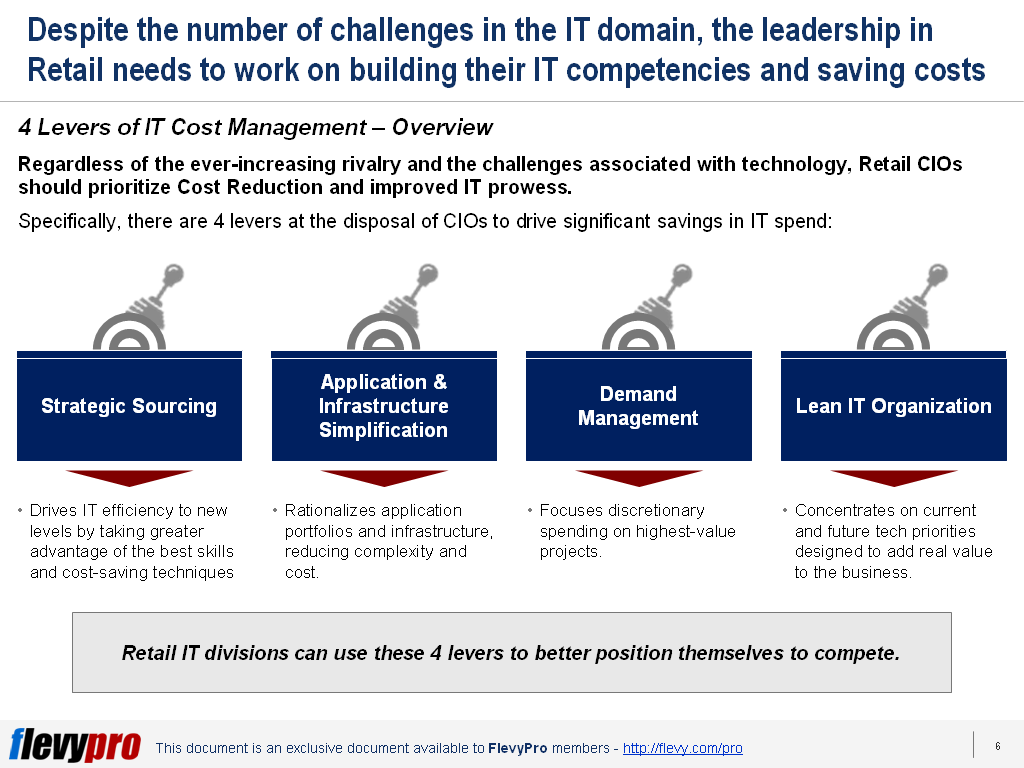
Some typical cost decrease examples are: Minimizing labour expenses by automating routine tasks or by contracting out non-core business functions. Bringing down workplace expenditures, such as electrical power costs, by choosing energy-saving technologies or scaling down on office by offering remote working options. Working out much better terms with suppliers to source material at lower expenses or be provided higher trade discount rates.
Determine the scope for expense reduction: An expense reduction process starts by evaluating the existing expense structure of your firm. These costs are then compared against pre-established criteria or industry standards to recognize areas for expense reduction.
The goal is to pick the most appropriate cost decrease methods and their possible effect. Some initial screening of these strategies might likewise be carried out at this stage. Prepare for implementation: After creating a cost reduction program, it's time to bring all business executives, crucial management personnel, professionals, and workers on board to develop the strategy.
Put the program into action: Finally, release the expense reduction programme by establishing a governance structure and control deadlines. Continually keep an eye on the progress and optimise the methods even more based on the results. A typical expense decrease framework involves the identification of inefficient costs and the execution of expense decrease strategies and strategies.
How Automation Drives Financial ROI
- Product cost: Whether a modification in design can decrease expenses by enabling the substitution of a less expensive basic material or utilising a lower material quantity. Economic Order Amount (EOQ) is a helpful cost decrease technique at this stage. 2) Labour expense: A design modification might reduce operational time or time devoted to after-sale services, minimising labour costs.
Administrative costs: An expense reduction analysis can be performed to figure out if the company is sustaining any unneeded regimen costs. Some expenses worth evaluating are telephone expenditures, travel costs, office stationery, and postage charges. Management costs: Some SMEs might be unnecessarily incurring costs due to poor interaction. Framing a proper delegation and responsibility framework with distinct duties can go a long way in minimizing firm costs.
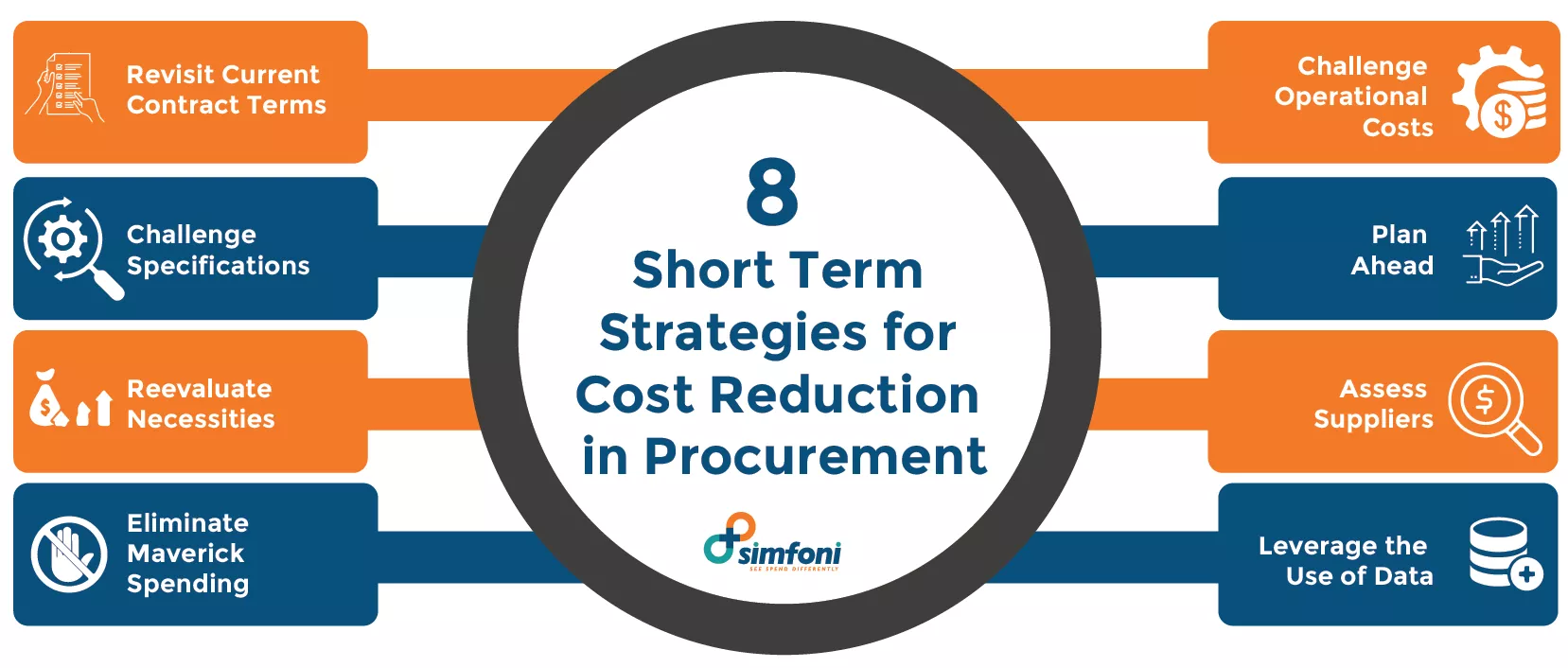
Companies can bring about cost reduction in myriad methods. Some of the popular cost decrease methods includeBudgetary control: Companies can compare their actual costs sustained versus the budgeted numbers and take therapeutic actions in case of discrepancies and unnecessary expenses, attaining much better cost effectiveness. Simplification: The role of performance and cost decrease enters into play when companies reduce the variety of their product offerings and scale the remaining items.
Smart Staff Scheduling Tactics for Maximum Productivity
Requirement costing: In this expense reduction strategy, enterprises bring out a difference analysis to highlight the distinctions in between standard approximated costs and actual expenses. They can track the locations showing high-cost differences and the possible reasons for them. Worth analysis: Likewise called value engineering, a value analysis entails a systematic evaluation of item style and production procedures with an emphasis on lowering overall production costs without compromising product quality or performance.
This list is by no methods extensive. Techniques like contribution analysis, job assessment, material control, marketing research, finance control, cost-benefit analysis, and labour and overhead control can likewise be used for cost decrease. Cost decrease is the procedure of determining and eliminating excessive expenditures that reduce a business's production performance and profitability.
Modern Tax Laws: A Survival Guide for A Financial Account Optimized For CommerceIn times of economic unpredictability, lots of leaders turn to an old standby: expense cutting. When a lot worldwide feels beyond our control, costs are, to a large extent, manageable. Cutting costs with the singular goal of recognizing short-term savings is myopic. Whether they're faced with an urgent requirement or not, leaders must see each expense line as a precious investment in the businessand acknowledge how the decision to increase, reduce, or maintain it will form the company's future.
Business Loan Requirements Every Owner Must Know
Companies can produce expense decrease in myriad methods. Some of the popular expense decrease strategies includeBudgetary control: Companies can compare their real expenses sustained versus the budgeted numbers and take restorative actions in case of discrepancies and unneeded expenses, attaining much better expense efficiency. Simplification: The function of efficiency and cost decrease comes into play when firms reduce the diversity of their product offerings and scale the staying items.
Requirement costing: In this cost decrease strategy, enterprises perform a variance analysis to draw out the distinctions between basic approximated expenses and real costs. They can track the locations showing high-cost differences and the possible factors for them. Worth analysis: Likewise called worth engineering, a worth analysis entails a systematic review of product design and production procedures with a focus on reducing total production costs without compromising item quality or functionality.
This list is by no methods extensive. Methods like contribution analysis, job assessment, product control, market research study, finance control, cost-benefit analysis, and labour and overhead control can likewise be used for cost reduction. Expense decrease is the process of recognizing and eliminating extreme expenditures that reduce a company's production performance and success.
In times of financial uncertainty, lots of leaders turn to an old standby: expense cutting. When so much in the world feels beyond our control, expenses are, to a large level, controllable.

Latest Posts
Reducing Store Operating Costs to Increase ROI
Modern Shift Management to Higher ROI
A Complete Guide to Modern Business Funding Eligibility